If you’re looking to improve skin quality, texture and overall appearance without surgery, platelet-rich plasma (PRP) may be an option worth considering. PRP uses a concentrated component of your own blood to support the skin’s natural regenerative processes, including collagen production and tissue repair.
In this guide, we explain how facial PRP treatment works, its potential benefits, who may be suitable, what to expect during and after treatment, how results develop, and the typical factors that influence treatment cost in Australia.
PRP Treatment for the Face: What to Know Before You Book
What Is PRP Facial Rejuvenation?
PRP stands for platelet-rich plasma. Treatment begins by taking a small sample of your blood, which is then processed in a centrifuge to separate and concentrate the platelet-rich component.
Platelets contain a range of growth factors and signalling proteins involved in tissue repair and regeneration. When PRP is introduced into the skin, the aim is to stimulate these natural biological processes and support improvements in skin quality over time.
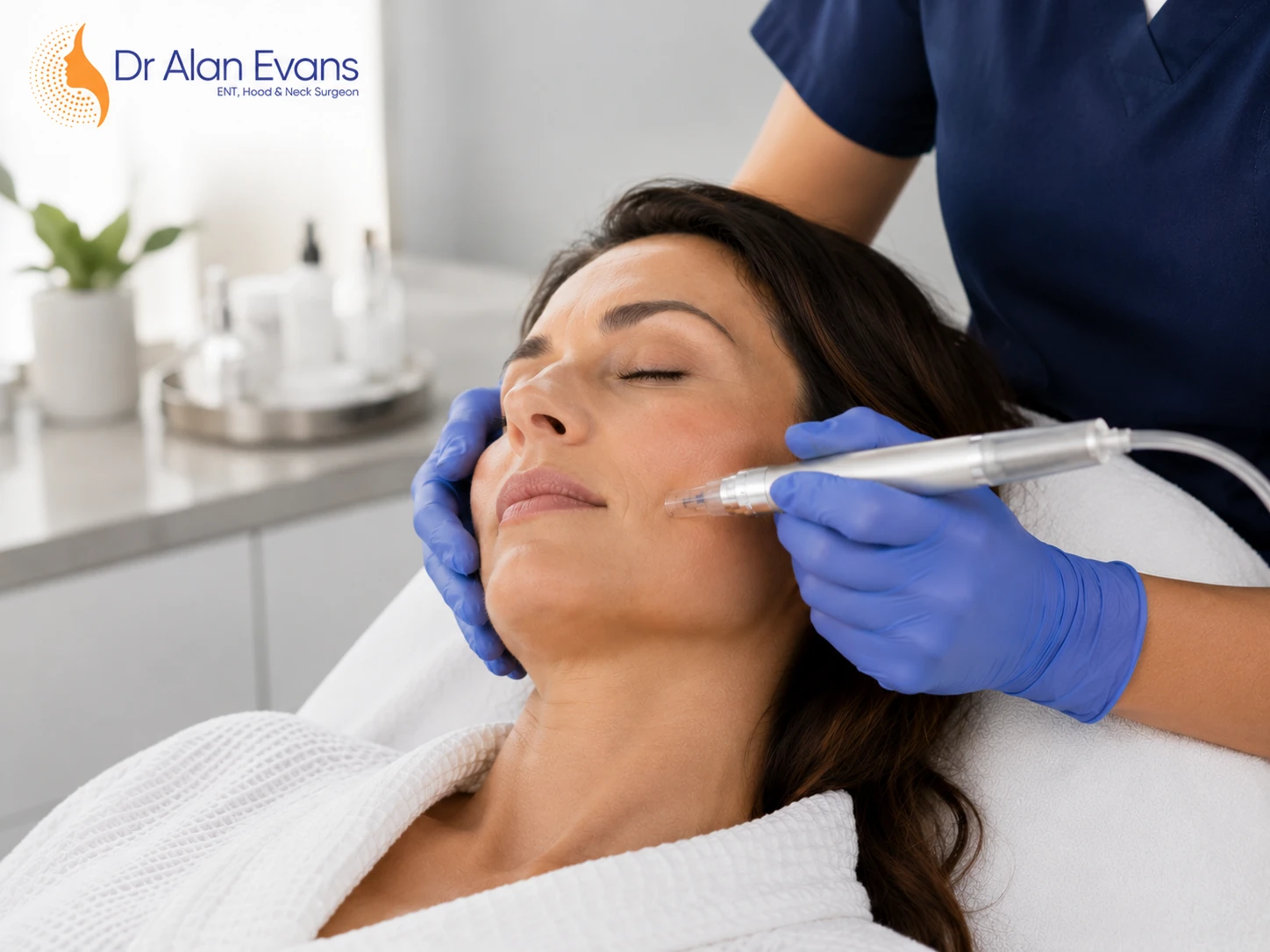
Depending on your individual treatment plan, PRP may be delivered through a series of fine injections or combined with microneedling. Common treatment areas include the cheeks, under-eye area, forehead, lower face and jawline.
Because PRP is prepared from your own blood, the risk of an allergic reaction to the PRP itself is considered low. However, PRP is still a medical procedure and requires an appropriate consultation and assessment to determine whether treatment is suitable for you.
Potential Benefits of PRP for the Face
PRP may be considered by people wanting to improve overall skin quality without undergoing surgery. Rather than changing facial shape or adding volume in the way some other aesthetic treatments do, PRP is primarily used to support skin regeneration.
Depending on your skin, treatment protocol and individual response, potential improvements may include:
- Smoother skin texture and more even-looking skin
- Improvement in the appearance of fine lines and crepey skin
- Brighter and more refreshed-looking skin
- Improved skin elasticity and overall skin quality
- Improvement in some types of mild acne scarring
- Relatively limited downtime
PRP may also be incorporated into a broader treatment plan for acne scarring. While it cannot completely remove established or deeper scars, it may help improve skin texture and the appearance of some superficial scarring. More significant acne scarring may require a combination of treatments.
PRP results vary between individuals and cannot be guaranteed. Factors including age, skin condition, treatment technique, general health and the number of treatments performed may all influence the outcome.
Who May Be Suitable for PRP?
PRP may be appropriate for adults concerned about early signs of skin ageing, dullness, uneven texture, fine lines, crepey skin or mild scarring.
It is not suitable for everyone. Certain medical conditions, medications, pregnancy, active infection and some blood or platelet disorders may affect whether PRP is appropriate.
Your medical history, medications and treatment goals should therefore be reviewed before proceeding.
The PRP Treatment Process
A typical appointment may take approximately 60 to 90 minutes.
Consultation: Your skin, medical history and treatment goals are assessed and an individual treatment plan is discussed.
Blood collection: A small amount of blood is collected, similar to having a routine blood test.
PRP preparation: The blood is processed using a centrifuge to separate and concentrate the platelet-rich component.
Skin preparation: Depending on the treatment technique, topical anaesthetic may be used for comfort.
Treatment: PRP is introduced into the selected areas using fine injections, microneedling or a combination of techniques, depending on the treatment plan.
Aftercare: You will receive instructions about caring for your skin following treatment and what to expect during recovery.
Results and Recovery
Temporary redness, swelling, tenderness or a sunburn-like sensation can occur following treatment. Minor bruising is also possible, particularly when PRP is injected.
These effects generally settle over the following days, although recovery varies depending on the technique used and the individual.
You may be advised to temporarily avoid strenuous exercise, excessive heat, certain skincare products and direct sun exposure. Appropriate sun protection, including SPF 50+, is particularly important following treatment.
PRP does not produce an immediate structural change. Improvements are expected to develop gradually as the biological processes stimulated by treatment occur.
Some people begin to notice improvements in skin appearance within several weeks, while changes in texture and skin quality may continue to develop over the following months. A course of treatments may be recommended depending on your skin, treatment goals and response.
The aim is generally a gradual improvement in skin quality and a healthier, refreshed appearance rather than a significant change in facial features.
PRP Facial Treatment Cost in Australia
The cost of facial PRP treatment varies depending on the clinic, treatment area, volume of PRP used, treatment technique and the experience of the treating practitioner.
The cost may also differ depending on whether PRP is injected, combined with microneedling, or incorporated into a broader skin treatment plan. Some clinics charge per treatment, while others may offer a planned series of sessions.
As PRP for facial rejuvenation is generally considered a cosmetic treatment, Medicare and private health insurance will not usually cover the cost.
When comparing PRP with surgical procedures such as a mini facelift, it is important to understand that they are designed to achieve very different outcomes. PRP primarily targets skin quality, whereas surgery can address structural concerns such as significant skin laxity and tissue descent.
A consultation allows you to understand the expected costs, what is included and whether the proposed treatment is appropriate for your concerns.
When PRP Alone May Not Address Your Concerns
PRP is primarily a regenerative skin treatment. It may improve aspects of skin quality, texture and appearance, but it cannot significantly tighten loose tissue or alter facial structure.
When concerns are primarily structural, other treatment options may be more appropriate.
For example, rhinoplasty may address the shape or proportions of the nose, while a neck lift can address loose skin and tissue around the neck and jawline. Blepharoplasty may be considered when excess eyelid skin or under-eye bags are the primary concern, while brow lift surgery can address brow descent.
PRP may also form part of a broader facial rejuvenation or skin treatment plan. The appropriate approach depends on your anatomy, skin quality, concerns and desired outcome.
Book a Consultation with Dr Alan Evans
If you are considering PRP treatment for the face, an individual consultation can help determine whether it is appropriate for your skin and your treatment goals.
Dr Alan Evans and the clinical team can assess your concerns, discuss the potential benefits and limitations of PRP, and explain other facial rejuvenation options where appropriate.
To discuss PRP or other facial rejuvenation treatments, contact Dr Alan Evans on (02) 9526 8000 to arrange a consultation.